
SILICON PHOTONIC BIOSENSORS FOR REAL‑TIME,
LABEL‑FREE PROTEIN MEASUREMENT.
Measure proteins
in‑process.
Not after.
Small sensor. Measurable signal.
Antibodies measured.
Cycle after cycle.
Antibody binds to the sensor
Load
Detect antibodies.
0.01%
of a 5 g/L feed concentration detected.
The same sensor resets
Elute
Reset.
Every cycle
Resets during low‑pH elution.
Ready for the next load
Repeat
Measure again.
Same cartridge
Ready for repeated capture cycles.
Bench data, non‑GMP. Schematics are not to scale; symbol counts do not represent concentration ratios.
Our mission
To bring real‑time protein data to the manufacturing of today’s most advanced medicines for cancer, diabetes, and infectious disease.
Data in time to act.
A measurement is only useful for control if it arrives before the step is over.
More from what you have.
The fastest new capacity is the capacity already installed and running below its limits.
Built for the plant floor.
Consumables that fit the skids, cleaning cycles and validation paths teams already run.
The problem · Protein A capture
The most expensive step runs on a safety margin.
Protein A capture has the largest impact on mAb cost of goods.1 Yet most plants load it to a conservative fraction of capacity, because outlet UV cannot tell antibody from flowthrough. The rest is resin, buffer and column time bought and left unused on every cycle.
~80%
of capacity is common loading practice, at 5 to 10% breakthrough.2
<20
cycles is often all clinical resin sees, at full commercial cost.2
~19%
more antibody loaded per cycle in an illustrative 95% versus 80% loading scenario. Assumes the same capacity reference; batch‑level savings depend on your process.
1. Crowley et al., Biotechnology and Bioengineering 2024, citing Bansode et al. 2022. 2. MilliporeSigma application poster PS6885EN on Protein A resin utilization.
Now in early access · Patent pending
ProA Load Control. Run every cycle to the capacity you actually have.
An inline sensor at the column outlet measures antibody in real time, so each load stops on measured breakthrough, not a fixed fraction of capacity.
- Load to actual capacity. Stop each load on measured breakthrough.
- Fewer cycles per batch. More mass per cycle for the same harvest.
- More throughput, no capex. From the skids, columns and suites already in place.
- Retire resin on performance. On data, not a schedule.
Who it’s for
Built for the teams who own the capture step.
Manufacturers
Lower capture cost of goods.
From the columns and skids already validated and running, with a path to validate against offline titer.
CDMOs
More batches per suite.
Fewer capture cycles per batch returns suite time you can sell, as titers keep climbing.
Process development
Find your real capacity.
Measure breakthrough on your own feed at bench or PD scale, batch or multicolumn.
Partners
Make capacity pay off.
For resin, system and analytics suppliers: a product‑specific signal that turns spec-sheet capacity into measured productivity.
Featured · Phlotonics
Protein data in time to act.
Latest
News from Phlotonics.
Product · Nov 2026
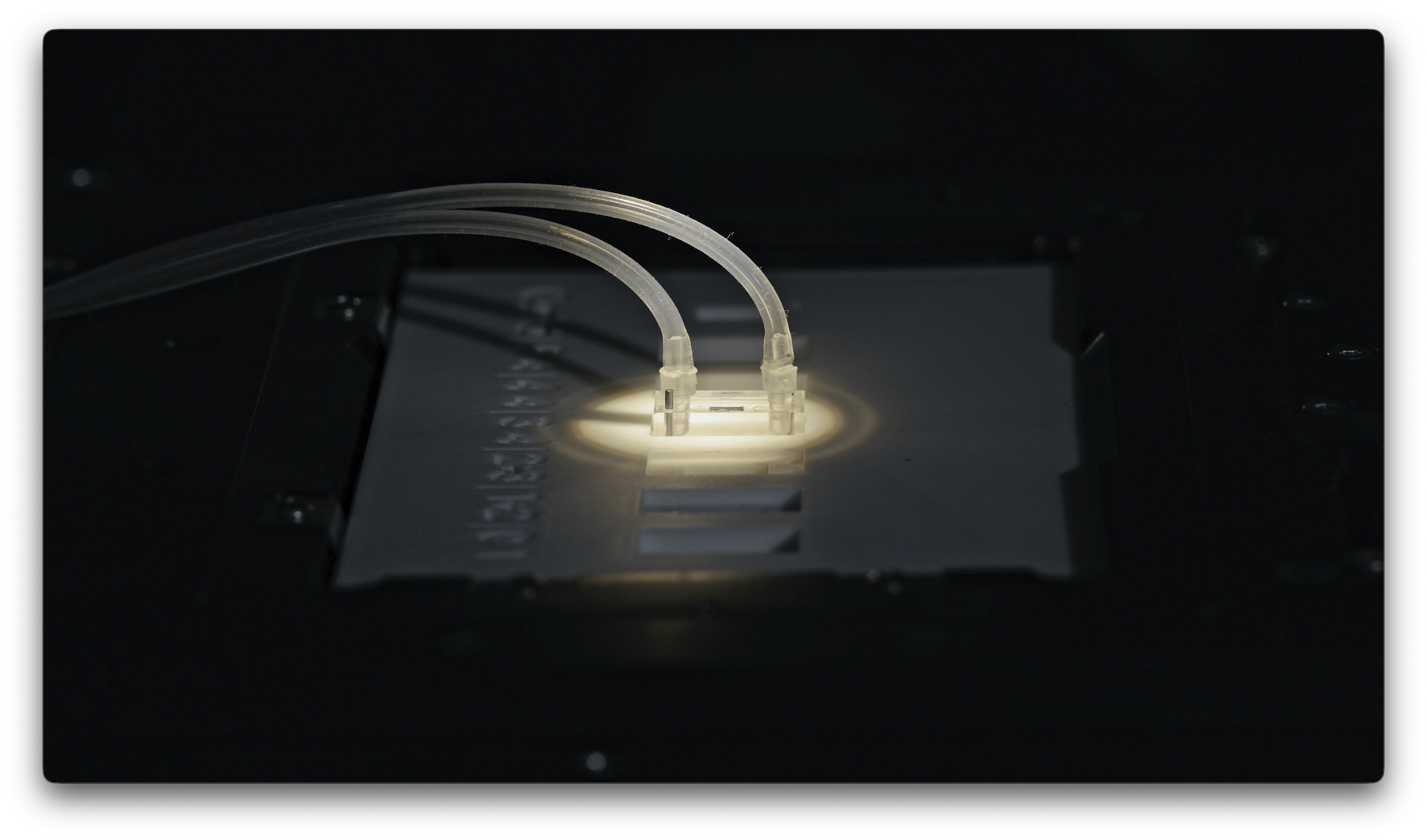
Early access opens for ProA Load Control.
Inline antibody measurement at the Protein A column outlet, now available for non‑GMP pilots.
Video · Phlotonics
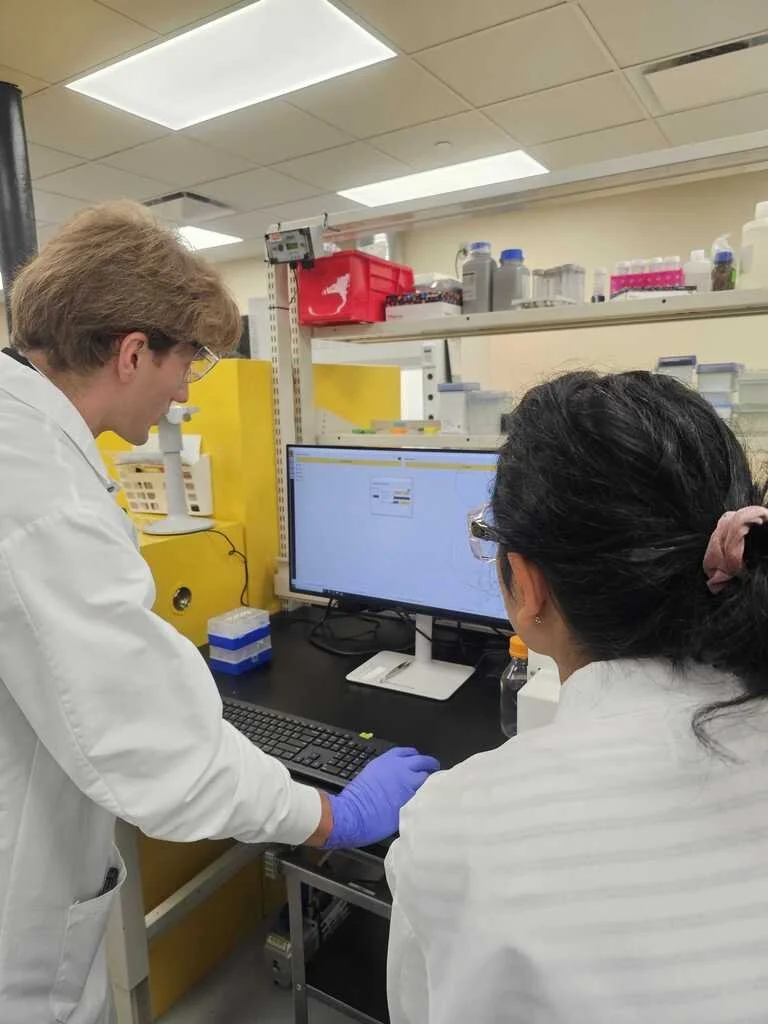
Protein data in time to act.
Why we are putting protein measurement inside the process.
Programs · 2026
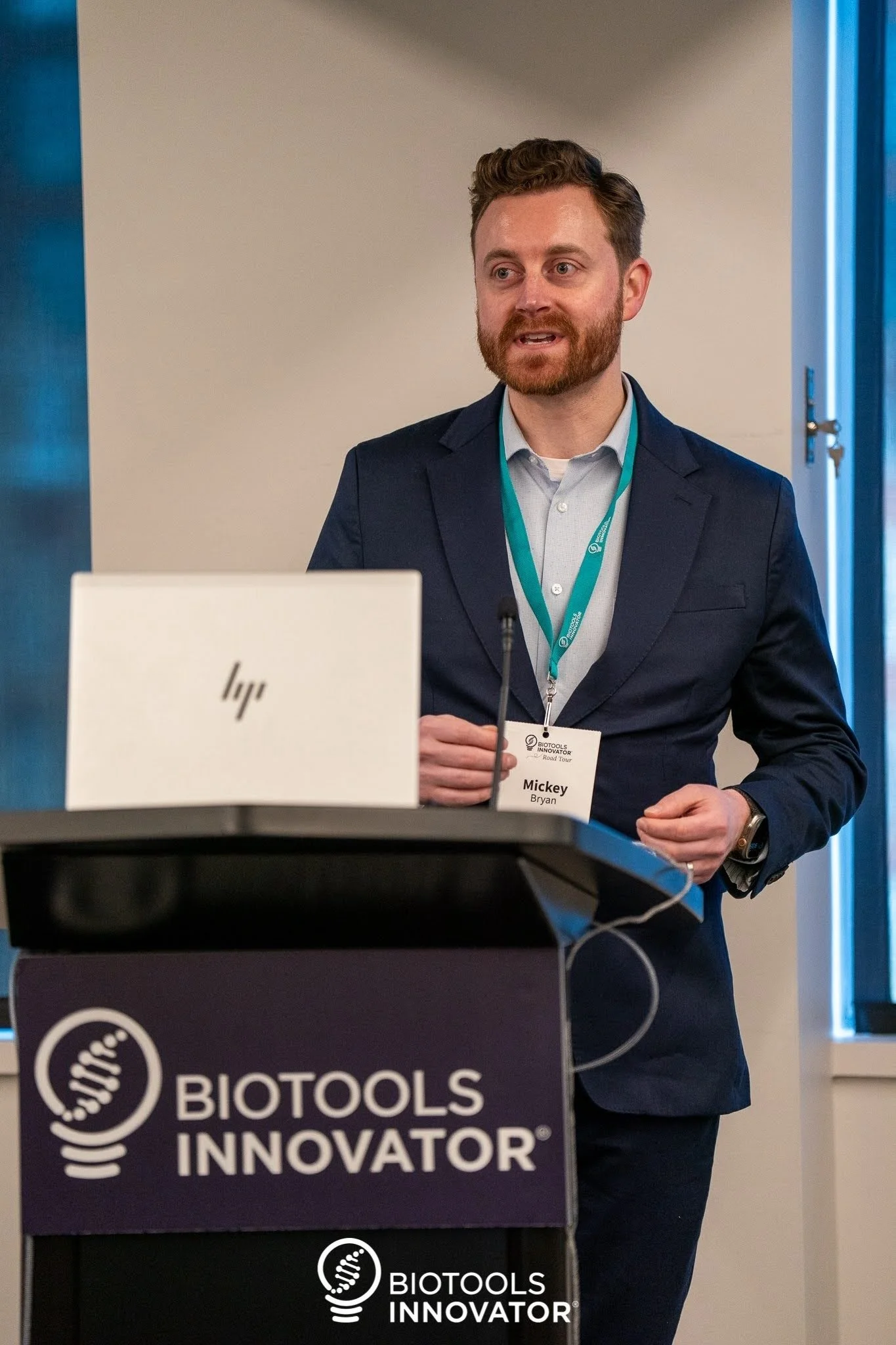
Selected for the BioTools Innovator BARDA Vanguard cohort.
How it works · Affinity Photonics
A product‑specific signal, read by light.
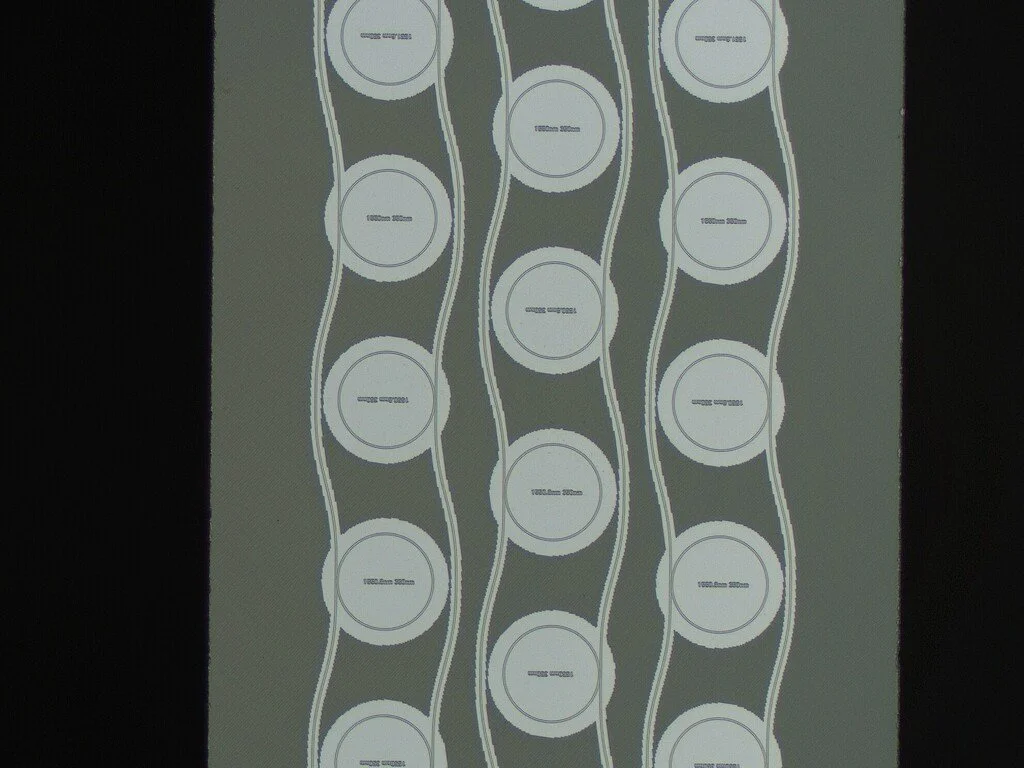
Affinity probes on a photonic chip bind only the protein you care about, and light reads that binding as it happens, with on‑chip references that cancel the background.
Run an early‑access pilot on your feed.
A non‑GMP run at bench or PD scale, comparing inline breakthrough with your offline titer, plus a loading scenario for your process. It starts with a 30‑minute fit call.

Measure proteins in‑process. Not after.
Visit
260 E. Main Street
Rochester, NY 14604
Site
© 2026 Phlotonics, Inc.